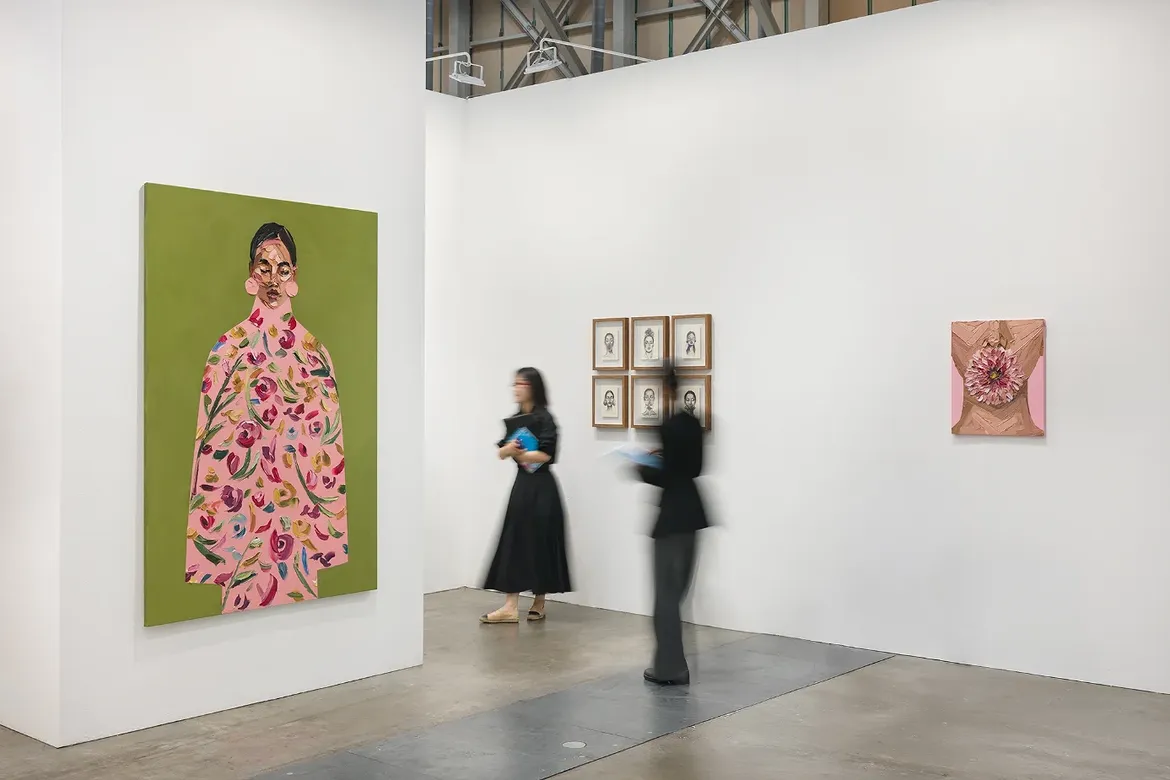
Elena Gual: «Mallorca has taught me a new way of relating to time and contemplation»
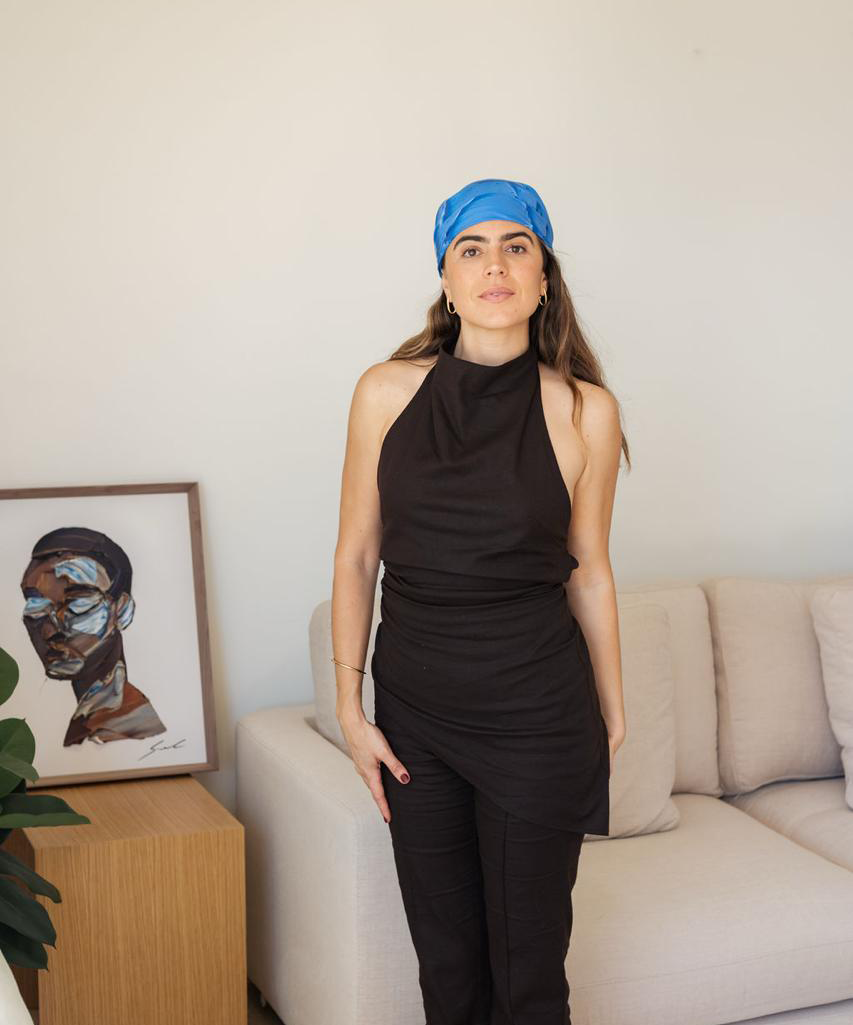
In Elena Gual’s paintings, the strength of materiality coexists with a distinctive sensitivity towards what lies beneath the surface. Through layers of oil paint applied with a palette knife, the Mallorcan artist creates portraits that invite slow, almost contemplative observation. We spoke with her about the turning points that shaped her career, her relationship with painting as a physical experience, and the lasting influence Mallorca continues to have on the way she sees the world.
1. Your artistic journey began with a deeply classical education between Florence and London, but an allergy to turpentine led you to rethink your artistic practice. Looking back, how do you remember that moment of transformation?
Over time, I’ve come to understand that it was less a limitation than an opportunity to rethink my relationship with painting. At the time, it was a challenge because it forced me to abandon tools and habits that had been part of my academic training. At the same time, it encouraged me to question certain preconceived ideas about how I was supposed to paint and to find a more personal way of engaging with the material. Looking back, it was one of those moments that ultimately shape your path.
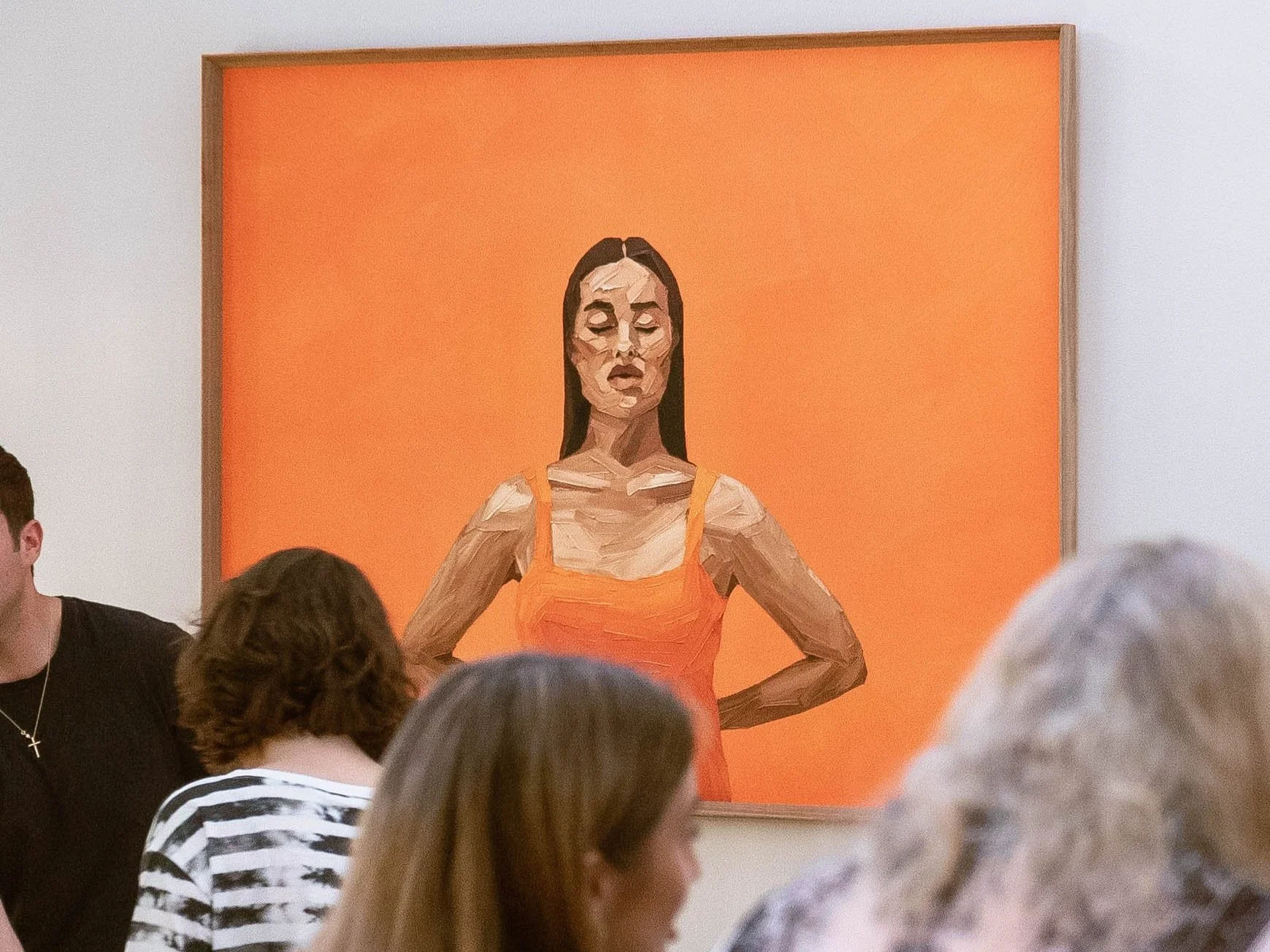
2. The palette knife has become one of the most recognisable features of your work. What has this tool meant for your relationship with painting?
The palette knife allowed me to discover a much more physical and intuitive way of painting. I’m interested in the resistance of the material, the trace of the gesture, and painting’s ability to become almost an object in itself. In a way, it allows me to sculpt with oil paint, to build the image layer by layer, and to approach painting from a much more physical perspective. It’s a tool that allows me to work with both the figure’s presence and the materiality of the work itself.
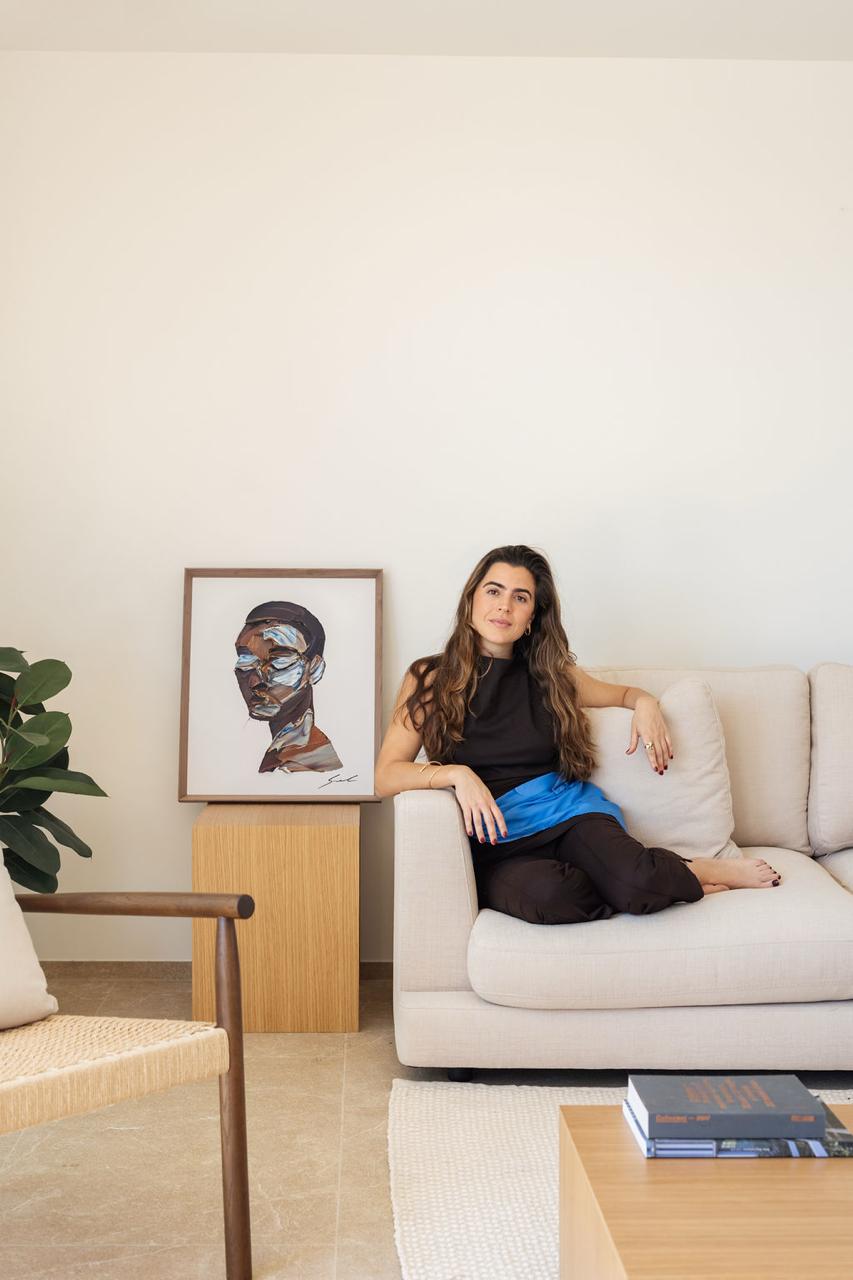
3. Portraiture features prominently throughout your work. What continues to draw you to the human face as a subject of artistic exploration?
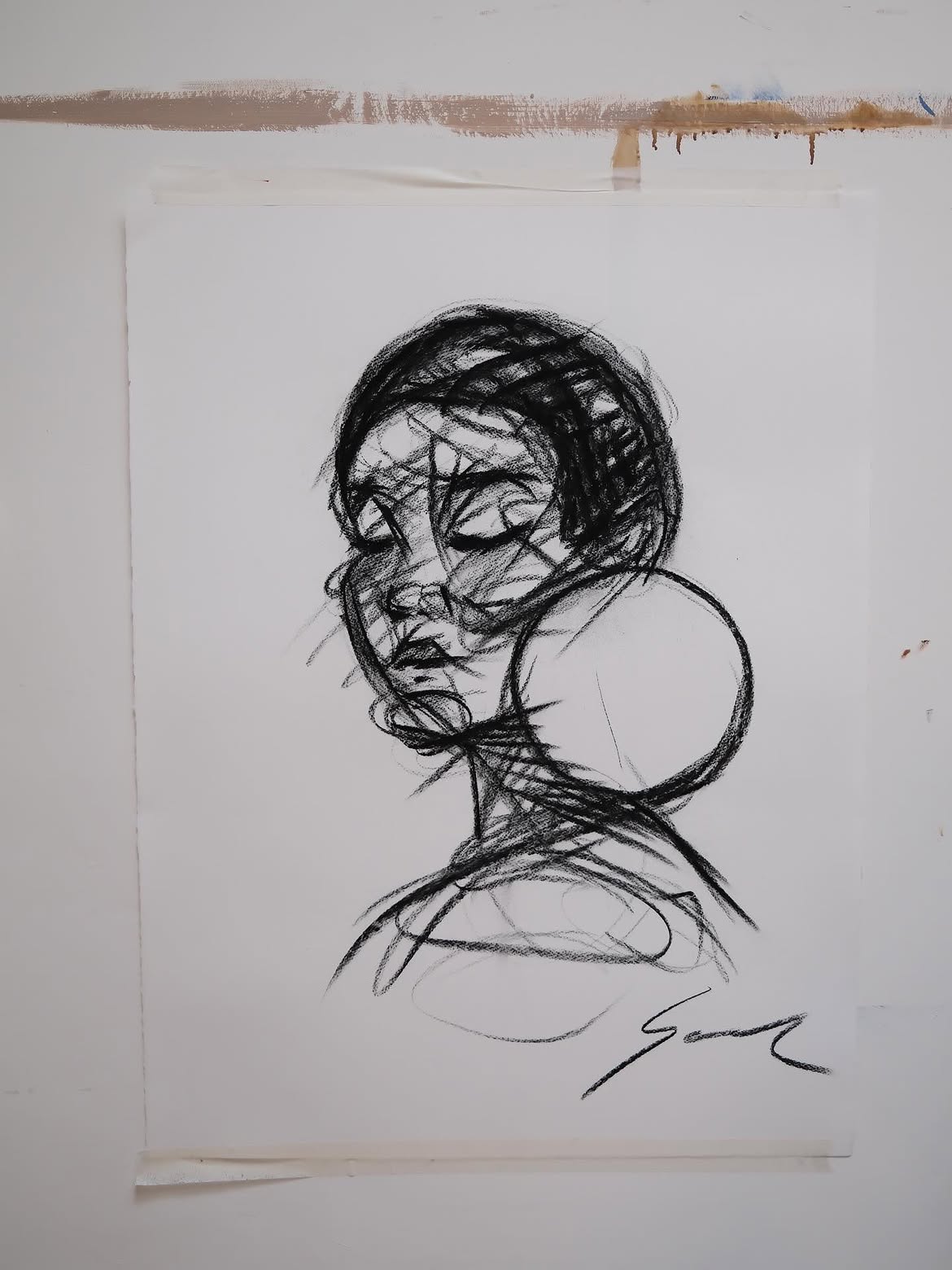
I’ve always been fascinated by observing people. When I’m walking down the street, I often find myself imagining stories, trying to read something of what they’re experiencing through a glance, a gesture or an expression. The face remains one of the most complex and compelling subjects for me because it can convey far more than it reveals. A person may have the same face for years and yet reflect something completely different depending on the stage of life they’re going through. I’m interested in that more introspective dimension, in what can be sensed but never fully explained. Increasingly, I’m less interested in literal representation and more in that feeling of presence that endures, even in silence.
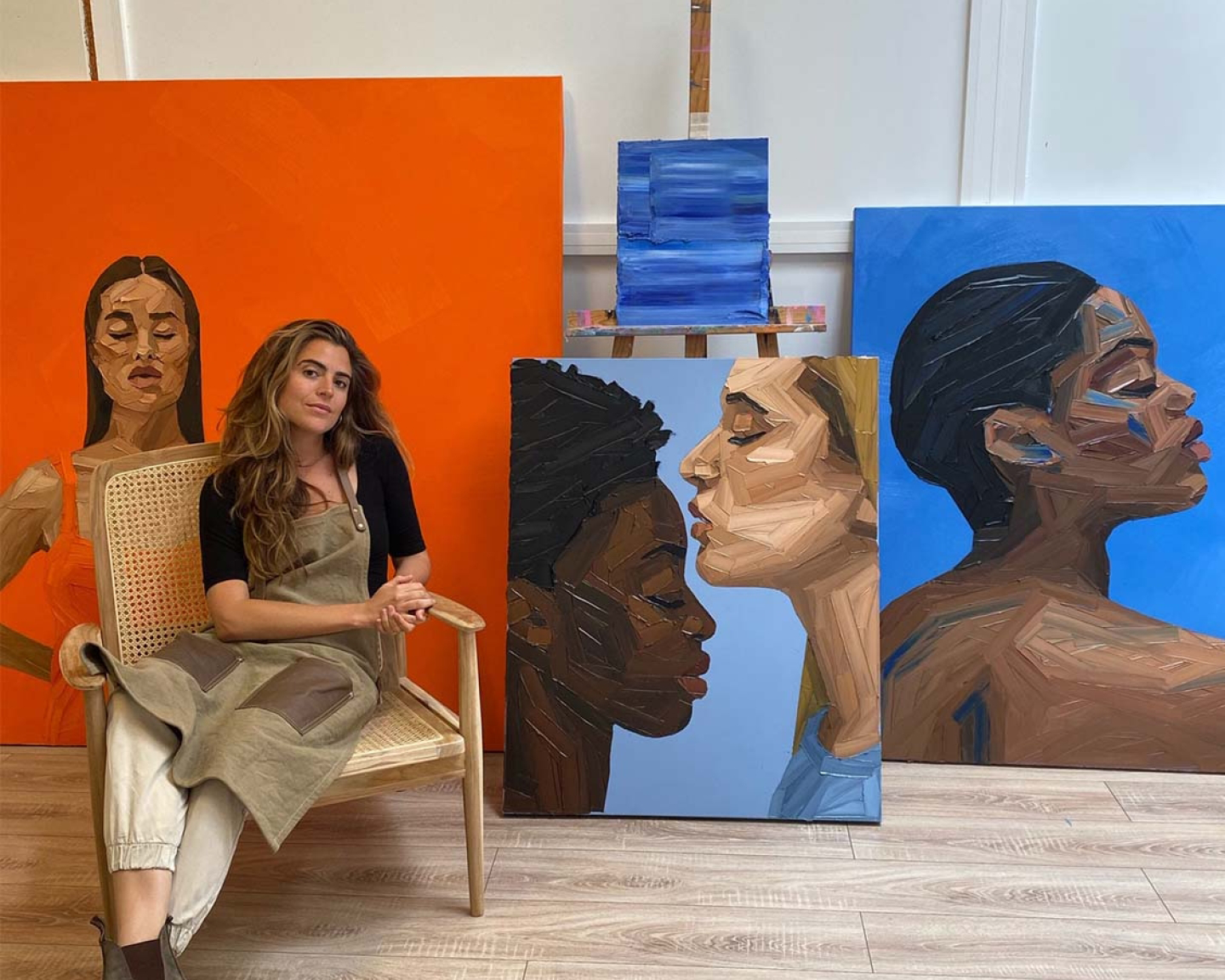
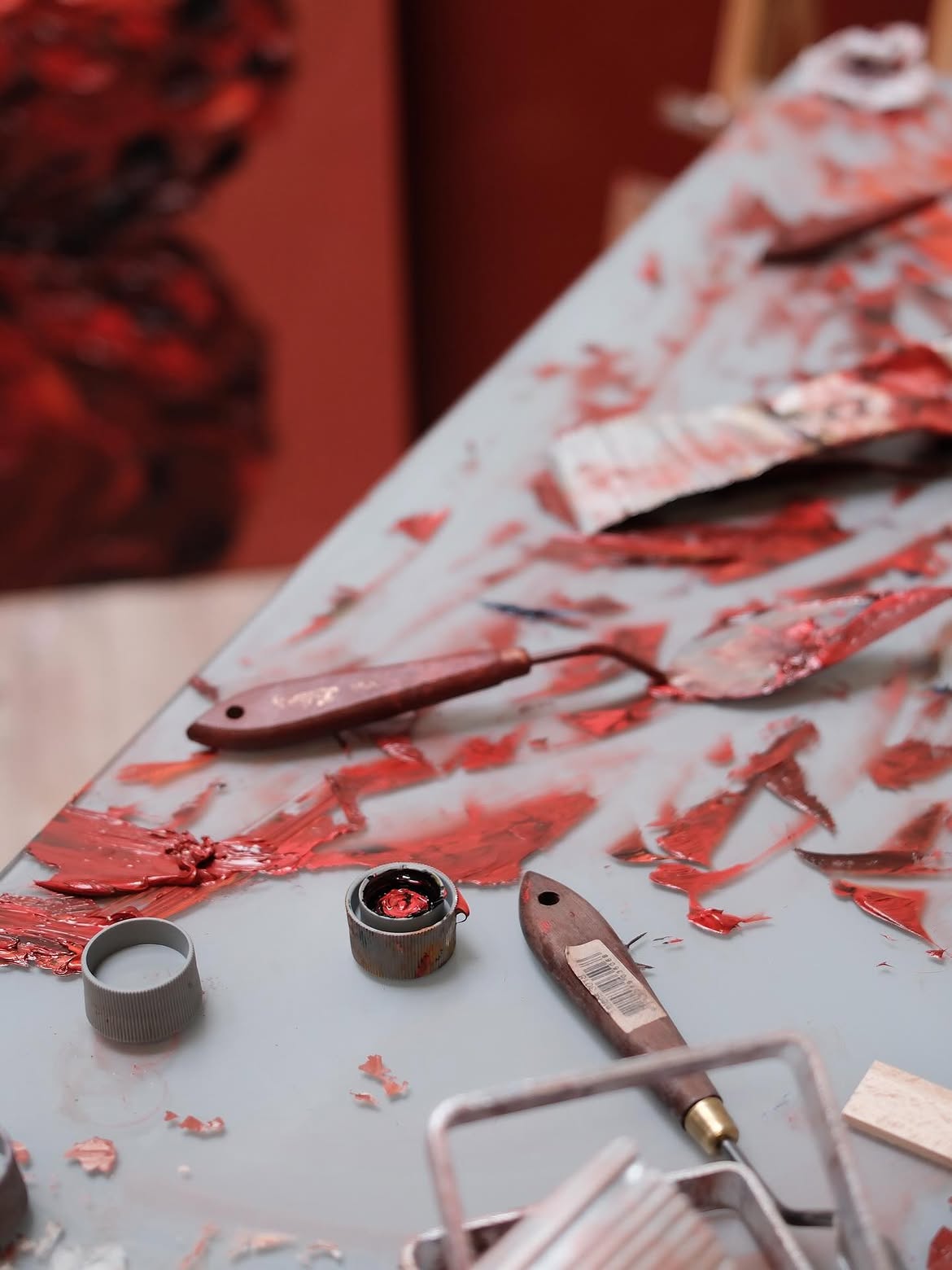
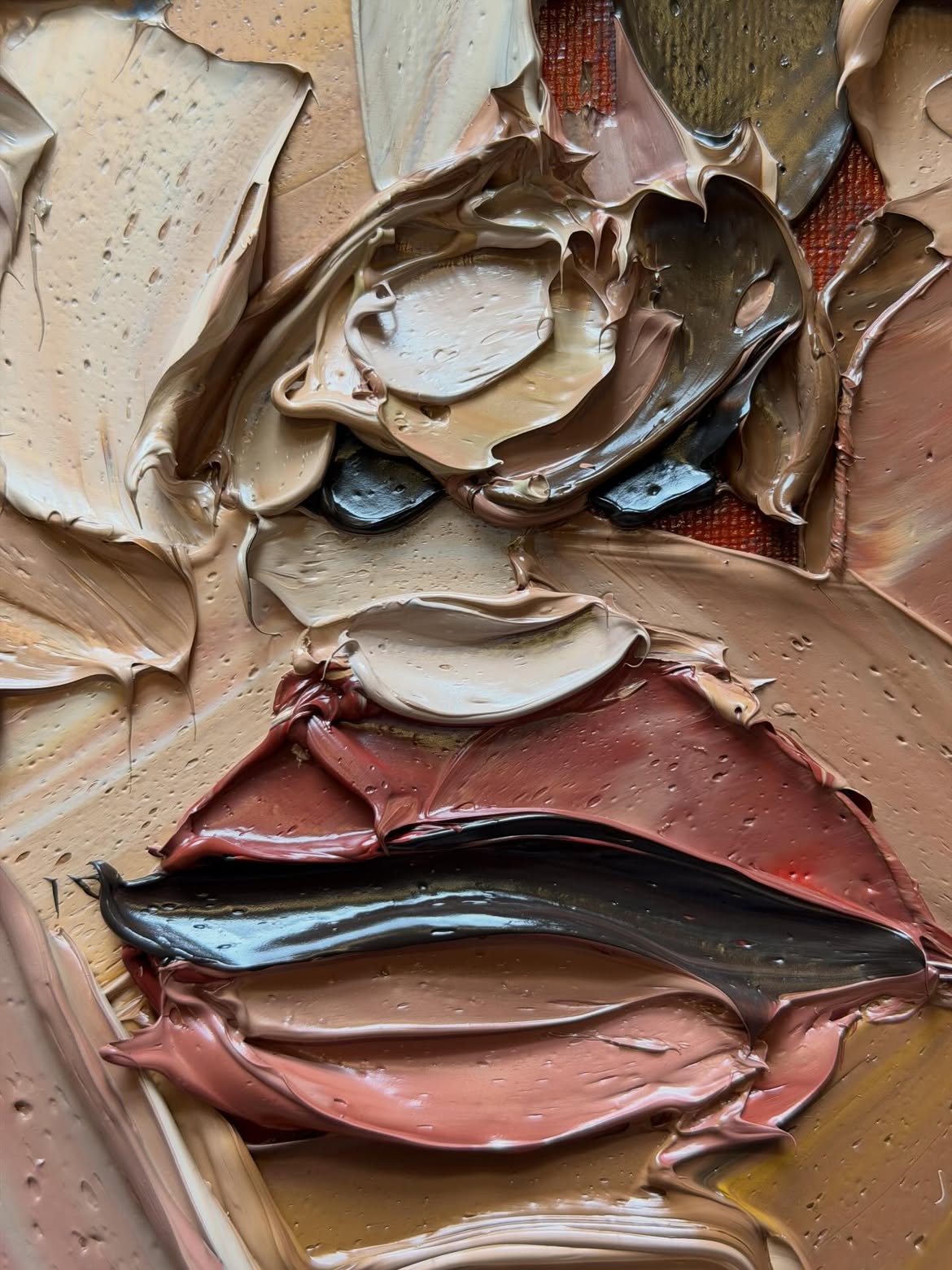
4. Materiality has a powerful presence in your paintings. What role does texture play in the construction of your work?
Texture is not a decorative element; it forms part of the work’s meaning. Through layers of paint, I try to create a sense of physical presence. I want the surface to have weight, to reveal the process, and to invite a slower experience in which the image is discovered both visually and materially.
5. Your work engages with a strong painterly tradition while remaining firmly rooted in a contemporary sensibility. How do you see painting today within a visual culture shaped by the immediacy of images?
It is precisely because of that speed that I believe painting remains relevant. We live surrounded by images that constantly appear and disappear. Painting offers a different sense of time. It demands attention and a slower relationship. I’m interested in thinking of it as a space of resistance to immediacy, a place where it is still possible to pause and look.
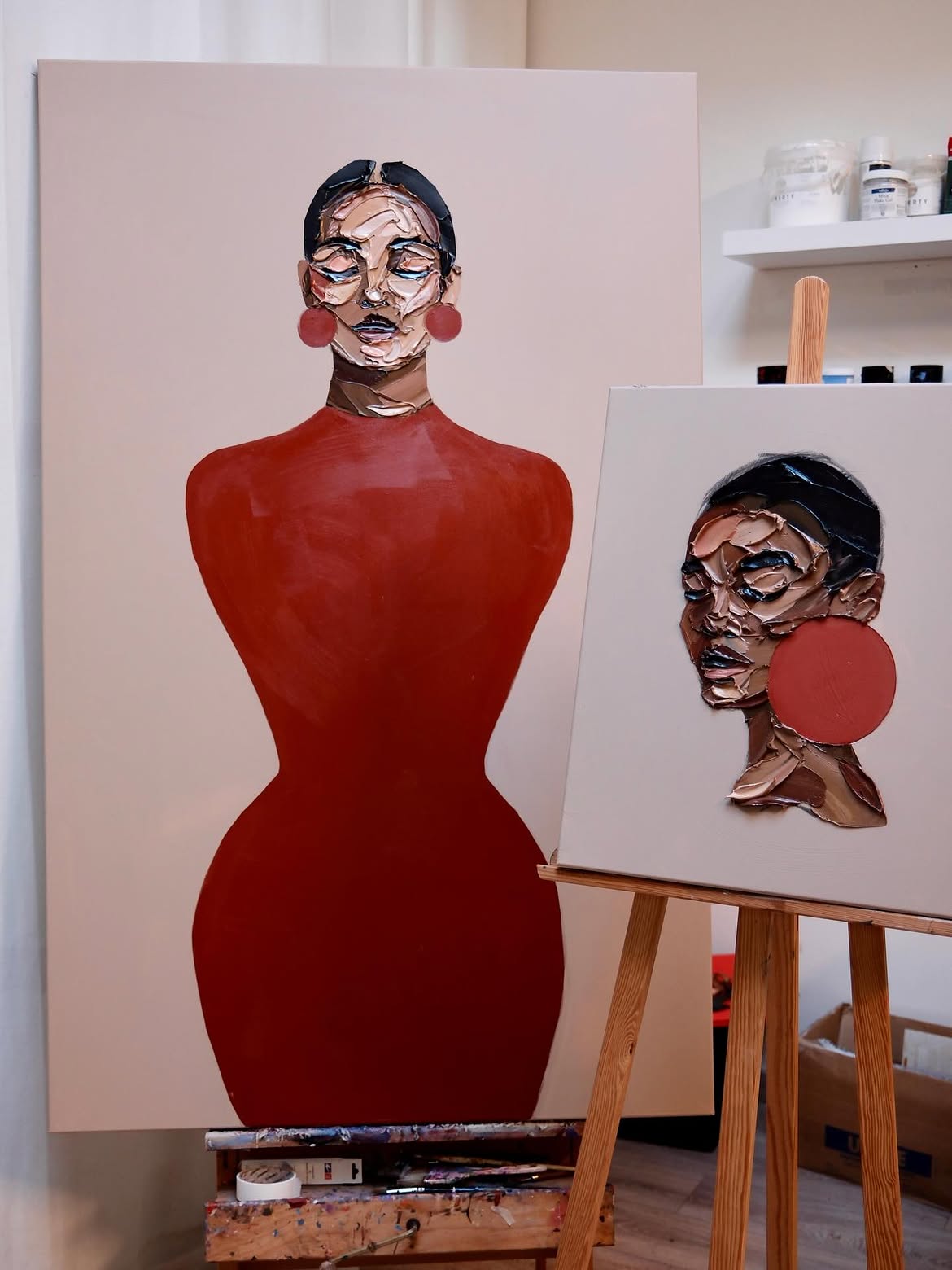
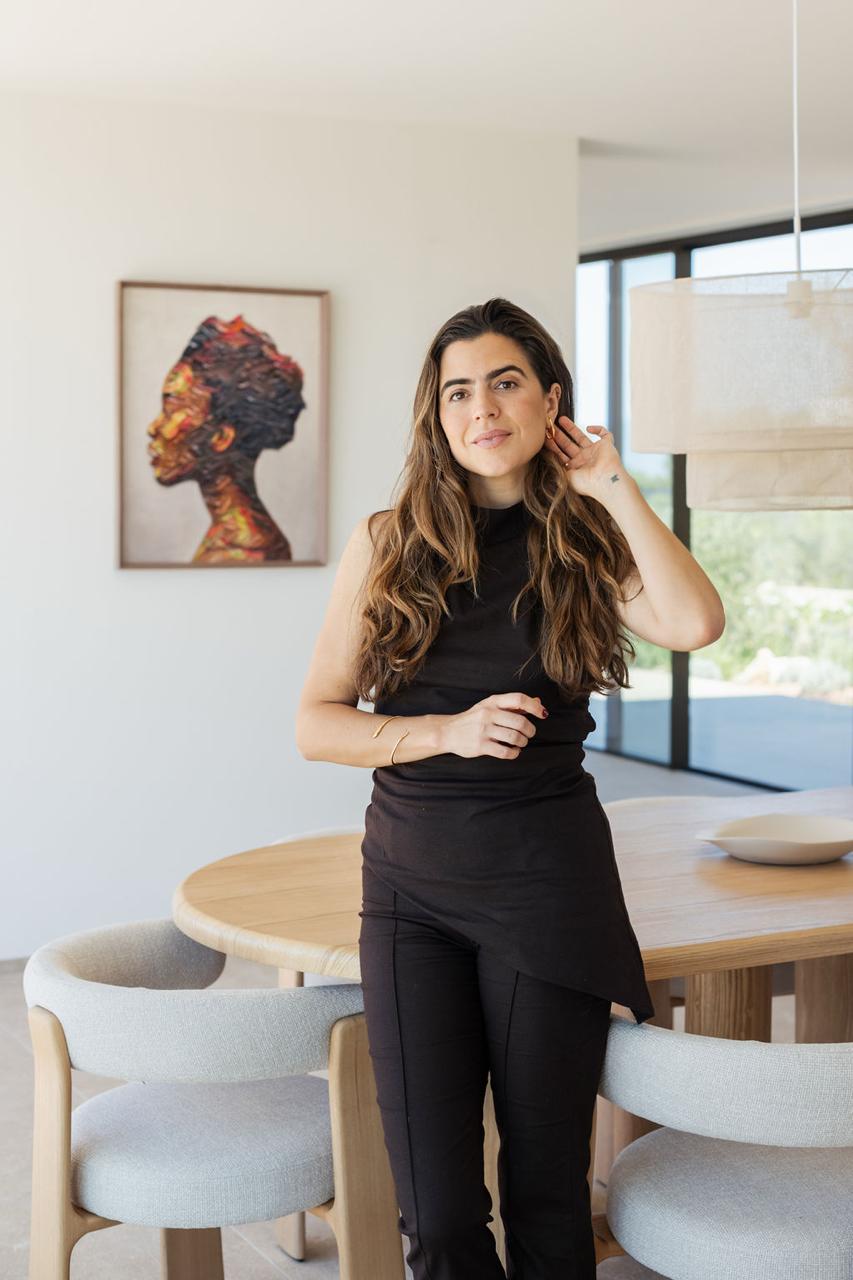
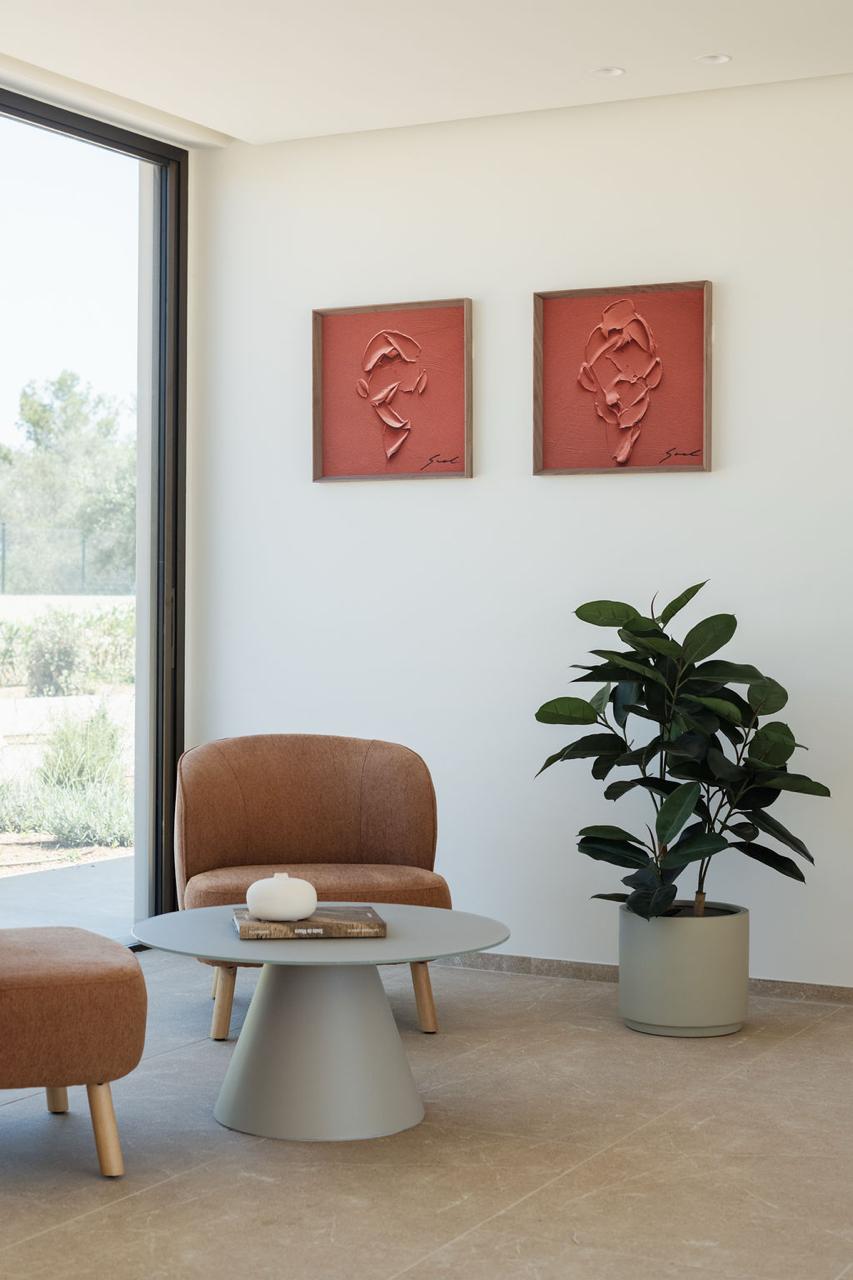
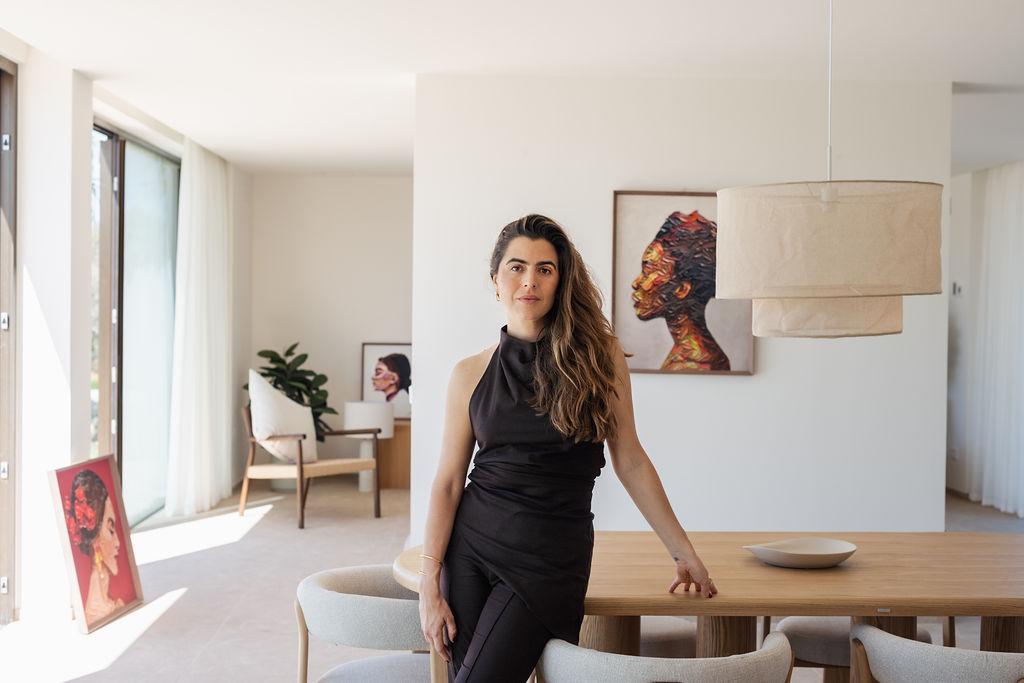
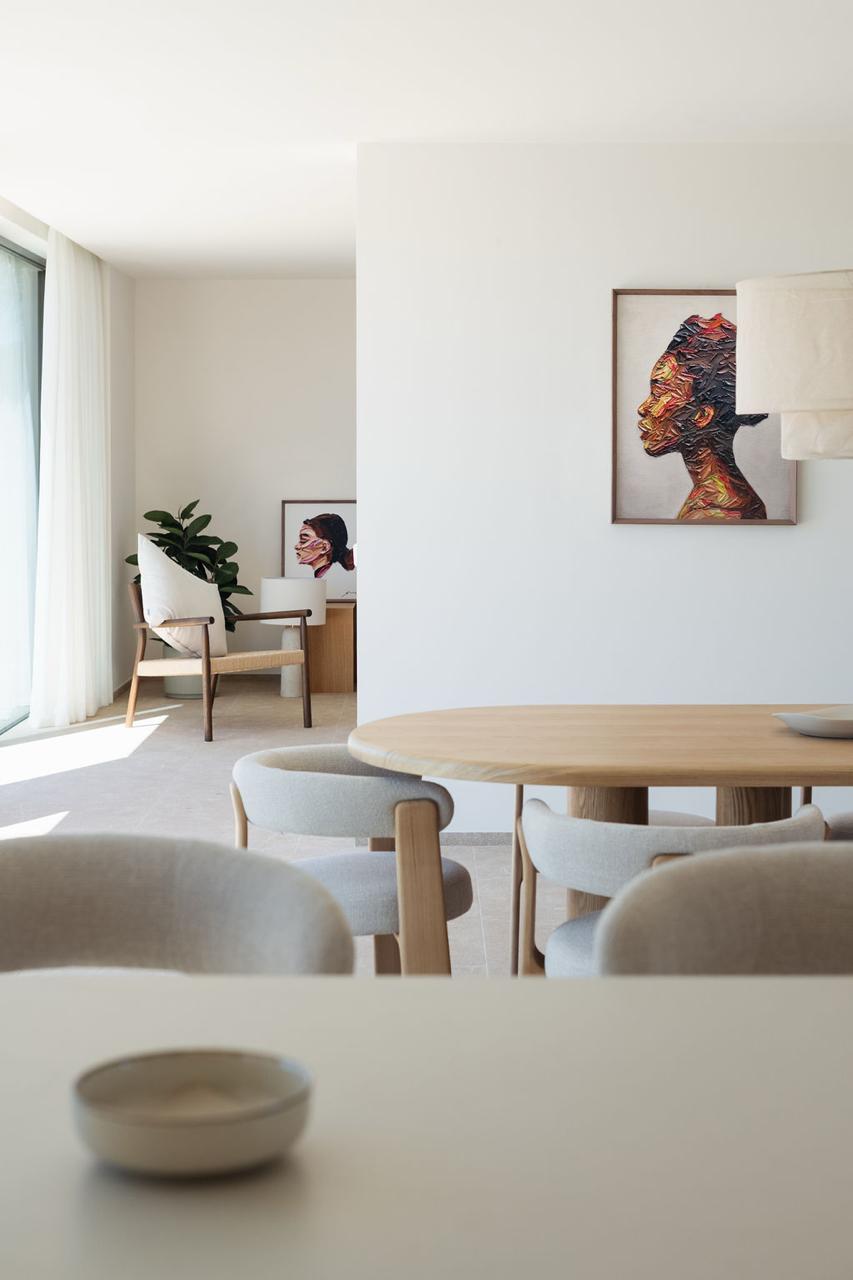
6. You chose Sa Terra, one of our most recent projects, as the setting for the shoot featuring your latest works. What drew you to this space?
What attracted me most was the architecture of the space and the way it resonates with the visual language of my work. There is a distinctly contemporary sensitivity in the use of materials, the neutral tones, the natural light and the relationship between inside and outside. I felt that my works coexisted very naturally with that environment. I believe my work often exists in that balance between strength and simplicity, and Sa Terra provided the perfect setting to express that dialogue.

7. Finally, you’ve spoken on several occasions about the influence Mallorca has had on your artistic sensibility. Which aspects of the island continue to shape your creative imagination?
Mallorca is deeply present in the way I see the world. The light, the sea, the vegetation and the contrasts within the landscape have always been part of my visual memory. But beyond its physical qualities, I believe the island has taught me a new way of relating to time and contemplation. In one way or another, those qualities always find their way into my work.